New Construction Intelligence™
Start where you are. Make the next decision with confidence.
A four-part framework for new construction buyers — builder strategy, design strategy, construction awareness, and ownership confidence — with a guided ten-step home journey that shows you the decisions in front of you, the questions to ask, and the mistakes that cost the most.
Not sure where to start? Tell us what’s happening with your home. We’ll help you figure out where you are and what to focus on next.
Free · no account needed · your progress is saved on this device
Need personalized help? Talk with Ernie
Why it matters
Why new construction requires expertise
Buying a new home is not only about choosing a floor plan. Nearly every decision that determines cost, comfort, and long-term value is made before the drywall goes up — and most of them are made in a sales office, on a deadline, without a second opinion.
Buyers who do well understand the whole picture: how builders differ, what the contract actually says, which upgrades hold value, how the home is built, how long it will take, what the warranty covers, how efficiently it will run, and what all of that means for value a decade from now.
- Builder differences
- Contracts and addenda
- Upgrades and allowances
- Construction quality
- Schedules and delays
- Warranty coverage
- Energy efficiency
- Long-term value
The framework
The four-part New Construction Intelligence Framework™
Four decision areas, in the order the decisions arrive. The ten-step home journey lives inside the product.
01
Builder Strategy
Choose the company before you choose the floor plan.
- Builder reputation and warranty performance
- Community selection, phasing, and lot premiums
- Purchase agreements, addenda, and change-order terms
- Incentives, lender credits, and what they actually cost
- Options availability and cut-off dates
02
Design Strategy
Spend where it cannot be redone later.
- Design-center selections sequenced by deadline
- Structural versus cosmetic upgrades
- Daily functionality: storage, circulation, light
- Resale-relevant choices versus personal preference
- Budget discipline against the allowance
03
Construction Awareness
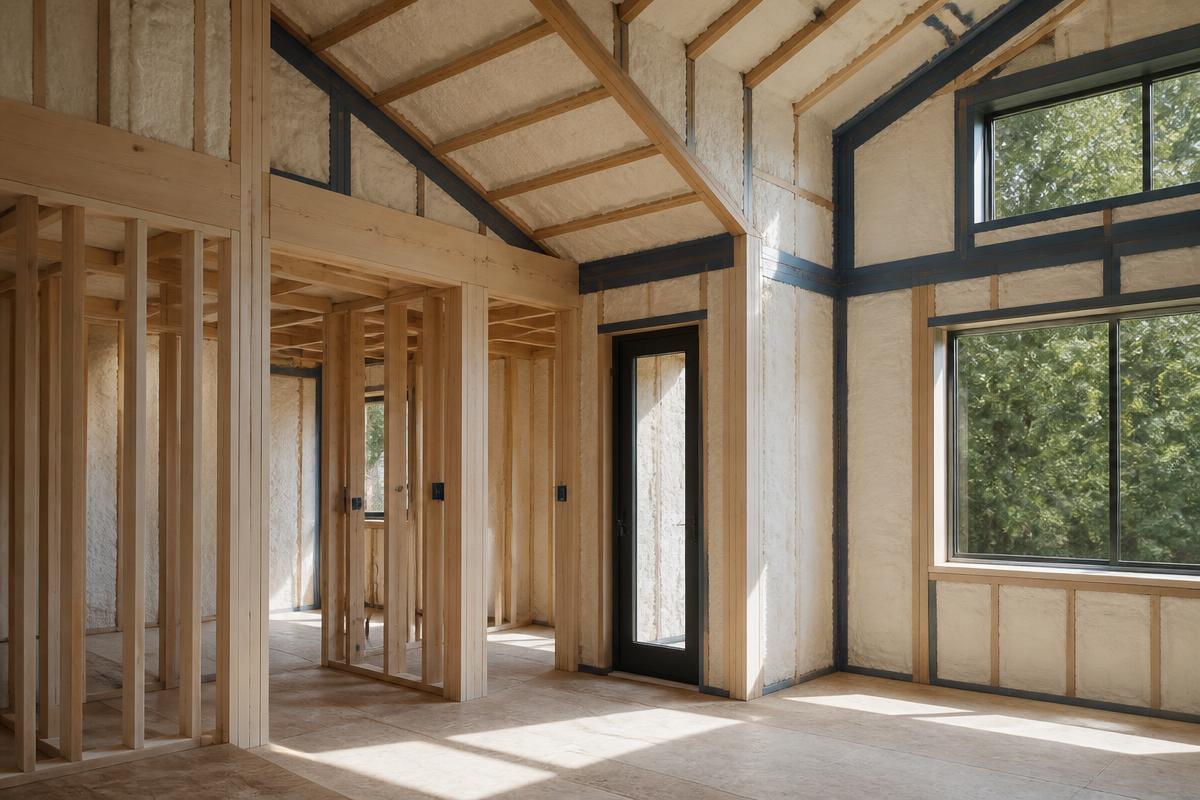
Know what happens behind the drywall.
- Materials, framing, and sheathing details
- Insulation, air sealing, and thermal bridging
- HVAC sizing, duct location, and ventilation
- Quality checkpoints at pre-drywall and pre-close
- Energy testing and performance verification
04
Ownership Confidence
Protect the investment after the keys.
- Orientation and final walkthrough discipline
- Warranty windows and how to file well
- Seasonal maintenance for a first-year home
- Documentation, manuals, and service history
- Long-term performance and resale positioning
Expertise
Four areas of construction expertise
Builder Selection
Comparing builders, the questions that matter, and the difference between production and custom.
- Comparing builders
- Questions to ask
- Production vs. custom
Construction Quality
Insulation, air sealing, HVAC, windows, moisture management, and the materials behind the finish.
- Insulation
- Air sealing
- HVAC
- Windows
- Moisture
- Materials
Building Science Education
ACH, blower door testing, indoor air quality, energy efficiency, and attic systems, in plain language.
- ACH
- Blower door testing
- Indoor air quality
- Energy efficiency
- Attic systems
Home Design Strategy
Kitchens, bathrooms, flooring, lighting, upgrades, and how to survive the design center with your budget intact.
- Kitchens
- Bathrooms
- Flooring
- Lighting
- Upgrades
- Design center
Learning Center
Educational resource hub
Guides, checklists, glossary entries, and video explainers written for buyers who want to understand the home, not just the price sheet. New material is added as communities and builder programs change.

Buyer Guides
What Questions Should You Ask a Builder Before Signing?
The contract, warranty, and schedule questions that change the outcome.
Which Builder Upgrades Are Worth the Money?
A structural-first framework for design-center spending.
Checklists
Pre-Drywall Walkthrough Checklist
What to verify while the walls are still open.
Final Walkthrough & Orientation Checklist
Systems, documentation, and warranty items before closing.
Articles & Videos
Why Indoor Air Quality Matters in a New Home
Tight envelopes need deliberate ventilation.
Understanding Construction Quality Before You Buy
Reading a spec sheet the way a builder reads it.
Glossary
ACH50, blower door, and envelope terms
Plain-language definitions.
Contract and warranty vocabulary
Addenda, allowances, punch list, and more.
Requesting a specific guide or checklist? Ask for it in a consultation note and it will be sent directly.
Markets
New construction by market
Dallas–Fort Worth New Construction
North Texas is master-planned country. Ernie Sandoval spent years selling new homes across DFW communities and anchor developments, where the decision is often as much about the community's build-out plan as the house itself.
View marketChicagoland New Construction
Chicagoland new construction is smaller-batch and more site-specific: infill parcels, teardowns, and niche communities threaded through established suburbs. The comparison set changes street by street.
View marketLos Angeles New Construction
Los Angeles work is largely infill, renovation, and ground-up projects on constrained sites — plus the hospitality and retail build-outs Ernie Sandoval has managed from concept to opening along the coast.
View marketReference
Frequently asked
Do I need representation when buying a new construction home?+
The on-site sales team works for the builder. Independent guidance gives you someone reading the contract, the addenda, the incentive structure, and the construction schedule on your behalf. In most cases the builder's cooperating-broker budget already accounts for representation, so the cost of having an advocate is rarely what buyers expect.
How do I compare builders?+
Compare the things that outlive the sales center: structural warranty terms, standard insulation and air-sealing specs, HVAC sizing and duct location, window packages, third-party energy testing, change-order policy, and how the builder handles warranty claims twelve months after closing. Base price per square foot is the least informative number on the page.
Are builder upgrades worth the cost?+
Some are, most are not. Upgrades that are structural, in-wall, or difficult to retrofit — pre-plumb, electrical rough-in, window placement, insulation upgrades, cabinet layout — are usually worth taking at the design center. Finishes that can be replaced later, like light fixtures, mirrors, and some flooring, are often better bought after closing.
What should I look for during a walkthrough?+
Verify systems, not surfaces: HVAC balance room to room, insulation coverage before drywall, grading and drainage away from the foundation, window and door flashing, attic access and duct sealing, and every item on the builder's own quality checklist. Surface blemishes get fixed; missed systems become five-year problems.
How does construction quality affect long-term value?+
Envelope and mechanical quality drive utility cost, comfort, moisture performance, and maintenance spend for the life of the home. Two homes on the same street with the same finishes can differ by thousands of dollars a year in operating cost and by much more in deferred repair. Buyers who understand that gap buy differently.
What is New Construction Intelligence™?+
It is the framework Ernie Sandoval uses to guide buyers: Builder Strategy, Design Strategy, Construction Awareness, and Ownership Confidence. It applies more than a decade of new-home sales experience across North Texas and Chicagoland to the decisions a buyer actually has to make.
More on Ernie's career, ownership, and Concept to Completion™ work is on the Ernie Sandoval authority page.
Consultation
Schedule a Consultation
Bring your community, builder, or floor plan. We will walk the decisions in order — builder terms, selections, construction checkpoints, and what to verify before you close.